After the Ceremony: Moments of Celebration
The moment after
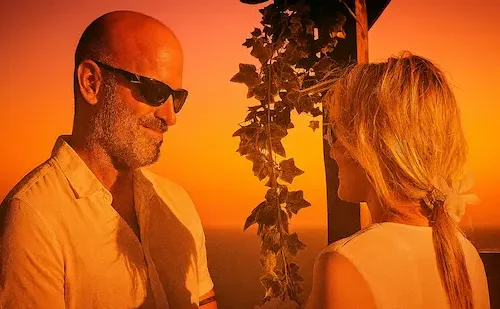
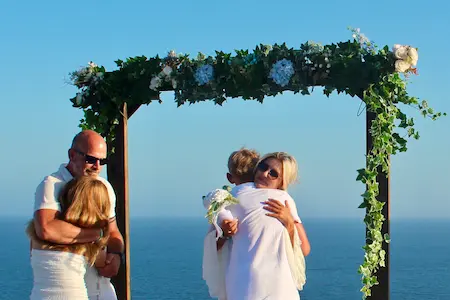
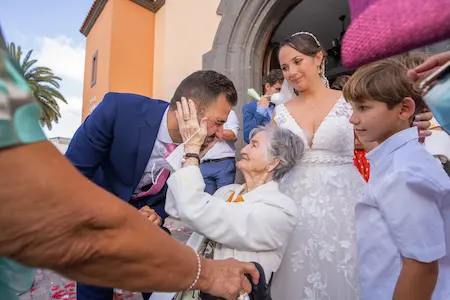
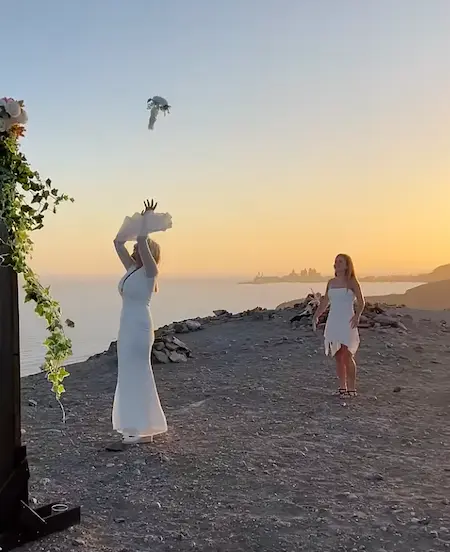
The words are spoken, the music fades—and suddenly everything goes quiet. That’s where the film begins: hands on the bouquet, fabric still warm from the day, a smile that doesn’t pose but arrives. You can see the relief after the ceremony, that small tremble between laughter and catching your breath.
What makes this “after” moment special
- Authenticity over choreography: Nothing is repeated. What happens, happens.
- Details as memory keepers: The bouquet becomes the scene’s archive—scent, color, daylight.
- A space just for the two of you: Between congratulations and party there’s a brief in-between space where you find each other again.
Who this kind of coverage is for
For couples who value mindfulness and see their day not as a program but as an experience in chapters: anticipation – meeting – ceremony – afterglow – celebration. Especially the part after the ceremony carries quiet highlights that touch you most later on.
Why this section matters to me
The party has many loud moments. The moment after the free ceremony is your afterglow. It gathers what you’ve just lived and makes it tangible.
How we plan it in practice
- A few minutes right after the ceremony just for you two.
- A quiet spot with soft light (by the sea, in nature, among rocks).
- Minimal guidance.
- If wind or clouds arrive: a plan B so it stays easy.
What you take with you
You don’t take “content”; you take feeling: hands growing steadier, a bouquet carrying your colors, and a few minutes that later remind you of everything that mattered that day.
Frequently asked questions (FAQ):
Where does this afterglow work best?
Close to the ceremony: sheltered from wind, with soft light and few distractions. Short paths, big feeling.
What if it rains or is very windy?
Plan B is prepared: a different spot, on the lee side, umbrellas as a style element if needed. Keep timing flexible (shifting 5–10 minutes often suffices).
Is it filmed or only photographed?
Both are possible. The style stays discreet: few cues, gentle movements, focus on touch and details—not on poses.